
Douglas County approves $1.9 million initial Axon package; 10-year cost estimated at $22.8 million
The package includes drones, about 50 additional license-plate readers and a real-time information center, but the public record does not specify a rollout schedule, detailed funding structure or performance targets.
Published at
Douglas County commissioners approved July 14 a countywide public-safety technology package that includes incident-response drones, expanded automated license-plate readers and a real-time information center. The initial purchase is $1,925,275.42; officials described the estimated cost over 120 months as $22,772,754.
The board approved the Sheriff’s Office’s master services and purchasing agreement with Axon Enterprises for Skydio drones and Axon Outpost technology by voice vote. The county agenda lists the item as a 2026 purchase request and includes an Axon quote with the 10-year estimate.
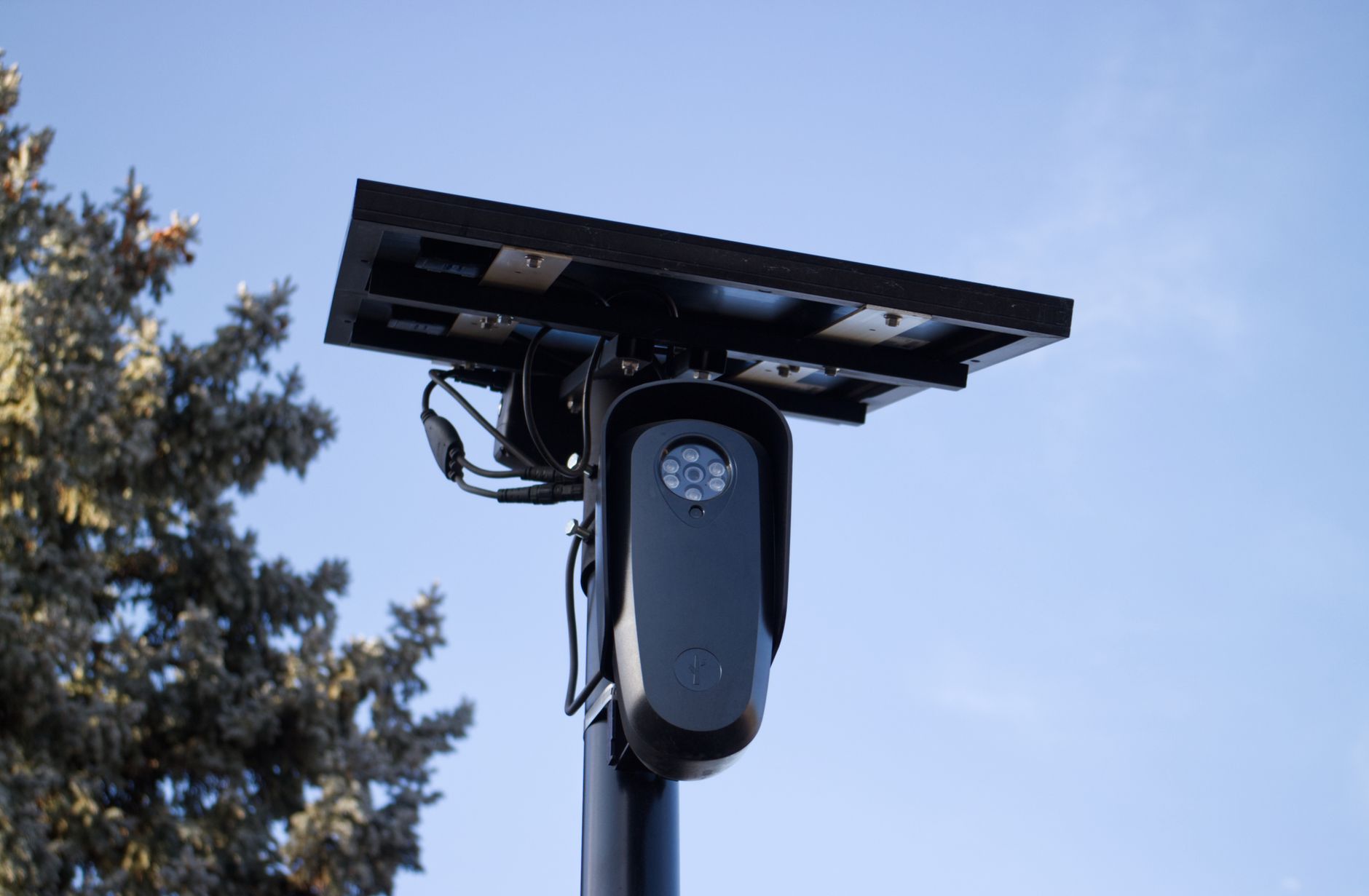
Staff said the package will replace the county’s existing 50 license-plate readers and add about 50 more. Officials said drones would be stationed around the county and dispatched in response to calls for service. The information center would integrate information for law-enforcement, fire and emergency agencies, they said.
Officials said drones would not be used for general surveillance. License-plate-reader data is configured to be automatically deleted after 30 days unless it is connected to an active criminal investigation, according to the meeting discussion. Staff said the deletion occurs automatically, without human intervention.
The stated oversight plan calls for quarterly audits by Sheriff’s Office leadership in partnership with the 23rd Judicial District Attorney’s Office. Staff said policy violations could result in termination or criminal prosecution. Members of the public asked for independent citizen oversight; the Sheriff’s Office said it was willing to discuss that possibility but did not commit to creating a review board.
The county’s public records do not establish a rollout calendar, installation dates, deployment phases, training milestones or a go-live date for the technology. They also do not identify a line-item appropriation or detailed funding structure for the $1.925 million initial purchase.
Officials identified faster emergency responses, safer encounters, more crimes solved, more stolen vehicles recovered and more missing people located as intended measures of success. The records do not set numerical targets, a reporting schedule or a formal performance dashboard. The approval establishes the financial commitment and technology scope, while implementation timing, independent oversight and performance-accountability mechanisms remain undefined.