
Douglas County seeks Medicaid performance incentives of up to $160,081 for 2027
The proposed amendment ties payments to timely application and renewal processing, accurate eligibility decisions and customer service. Payments would be limited by the county’s share of Medicaid administration costs.
Published at
Douglas County staff are asking county commissioners to approve an amendment that would tie Medicaid eligibility incentive payments to the county’s performance, with up to $160,080.86 available for state fiscal year 2027.
Commissioners are scheduled to consider the amendment on Oct. 20. The county agenda record lists the item for that meeting. The proposed amendment requires state-controller approval and execution before it becomes valid.
The amendment’s cover table lists maximum incentives of $160,561.15 for state fiscal year 2026 and $160,080.86 for 2027, with no incentive listed for 2028. The listed maximum across the contract is $320,642.01.
The amount is a ceiling, not an automatic payment. The amendment says incentives can reimburse part of the county’s share of Medicaid administration costs, and any payment cannot exceed that share. For the 2026–27 performance year, each of two six-month reporting periods accounts for half of the available incentive.
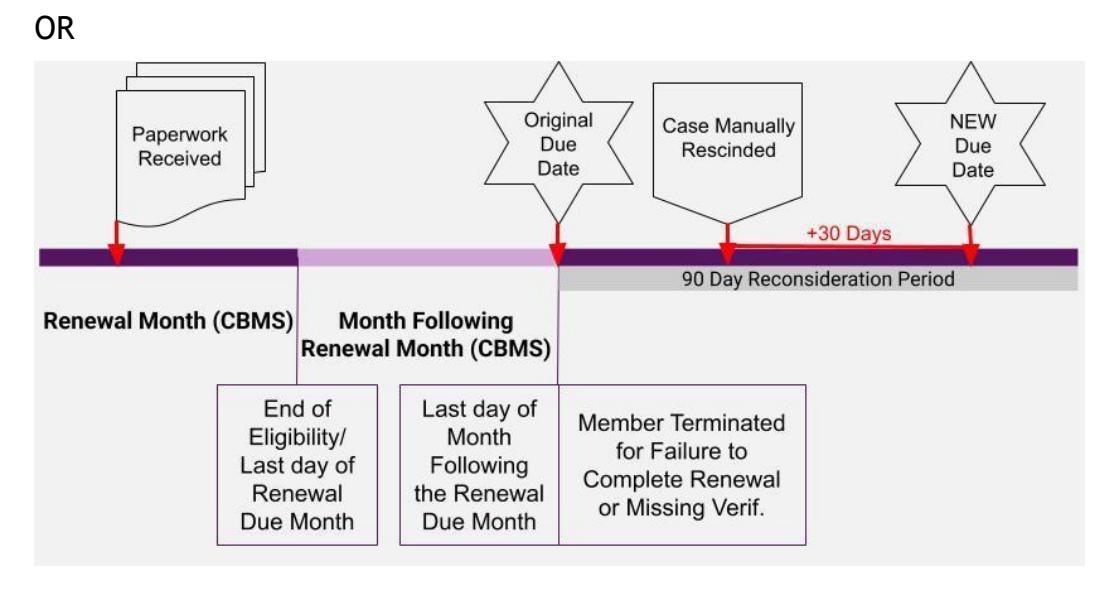
The standards measure whether the county completes applications and renewals on time, keeps overdue cases within limits, makes accurate eligibility decisions and meets customer-service requirements. Timeliness targets generally require at least 95% of applicable decisions and renewals to be completed on time. Backlog limits and accuracy thresholds vary by county size and review volume. Depending on its customer-service tier, a county must meet a five-minute average call-answer target or submit a customer-service plan.
The state would monitor performance through dashboards and issue status reports. Missing targets can lead to improvement or corrective-action plans. The county would have five calendar days to dispute a reporting-period status report, but not the final report.