
Study estimates need for 353 more homes in three Teller County communities
The assessment projects 142 more homes will be needed from 2027 through 2036. In Cripple Creek, 77% of renter households spend more than 30% of their income on housing.
Published at
A regional assessment estimates that Cripple Creek, Victor and Goldfield need 353 additional homes to address current housing pressures, with another 142 needed from 2027 through 2036. In Cripple Creek, 77% of renter households spend more than 30% of their income on housing.
The RPI Consulting assessment estimates current need at 286 homes in Cripple Creek and 67 in Victor and Goldfield combined. It projects another 91 homes in Cripple Creek, 45 in Victor and six in Goldfield over the next decade.
The current-need figures are modeled estimates, not a count of people on waiting lists. The study considers factors including local workers who commute from elsewhere but prefer to live nearby, rental units needed to reach a 5% vacancy rate, homes for workers filling currently unfilled jobs and, in Cripple Creek, households living in temporary housing. The consultants say identifying the full range of need does not mean local governments are responsible for meeting all of it; the estimates are intended to help set goals and priorities.
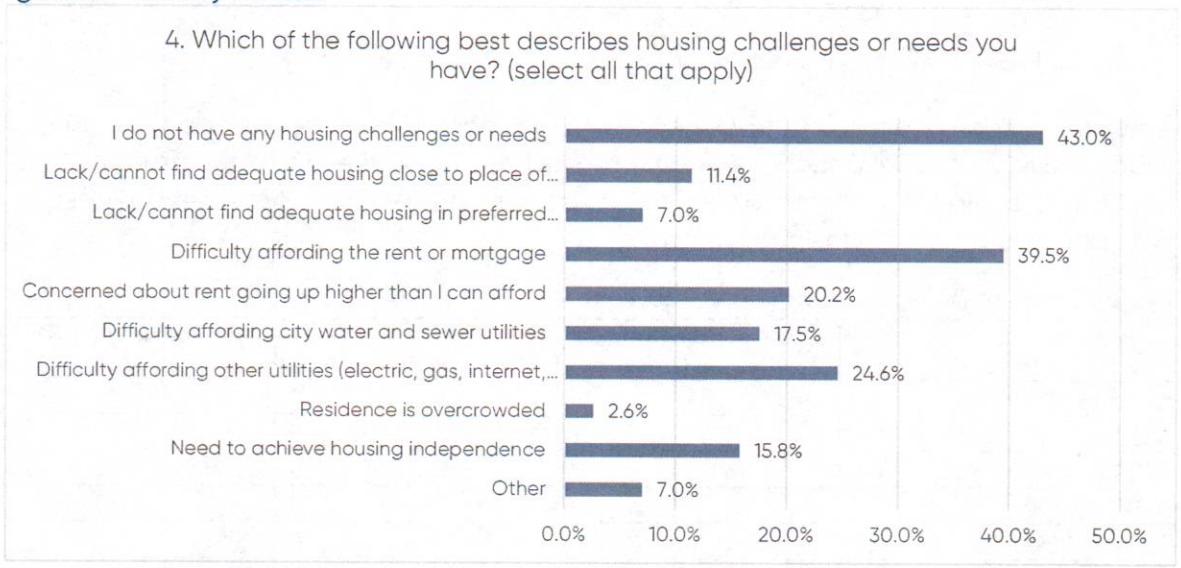
The affordability figures use 2018–2022 federal housing data, not a count taken in 2026. The assessment says 36% of Cripple Creek renter households were severely cost-burdened, meaning housing costs exceeded half of household income. It also reports that 28% of Victor homeowners were cost-burdened. Separately, about 40% of the 118 people who responded to a 2026 resident and employee survey said they had difficulty affording housing; the survey is not a population-wide estimate.
For Cripple Creek renters earning less than $25,000 a year, the assessment estimates a gap of 71 affordable rental units: 149 renter households in that income group compared with 78 occupied units affordable to them. It defines affordable rent as no more than 30% of gross household income and bases the estimate on American Community Survey 2020–2024 data, the assessment says.
The assessment estimates that current and projected housing demand would require 90.6 acre-feet of water, based on assumed use per home in Cripple Creek and Victor/Goldfield. It recommends securing a sustainable supply through water rights, treatment capacity and distribution infrastructure. The assessment does not estimate how much water is currently available or give a schedule for securing more.
Separately, Cripple Creek’s City Council unanimously approved an agreement with APEX on Oct. 21 for a preliminary engineering report on five water-system projects, according to the council’s minutes. The projects include redrilling a well, replacing water meters, a bulk-water dispensing station, about 1 million gallons of storage and measuring raw-water flows at city reservoirs. A U.S. Department of Agriculture grant of up to $60,000 funds the planning and cost-estimate work; the agreement does not itself provide water for the housing needs identified in the assessment.