
Woodland Park approves Eagle Fire Lodge conversion to long-term rentals
The permit requires applicable development fees before a city zoning permit is issued; the city will calculate charges during that review.
Published at
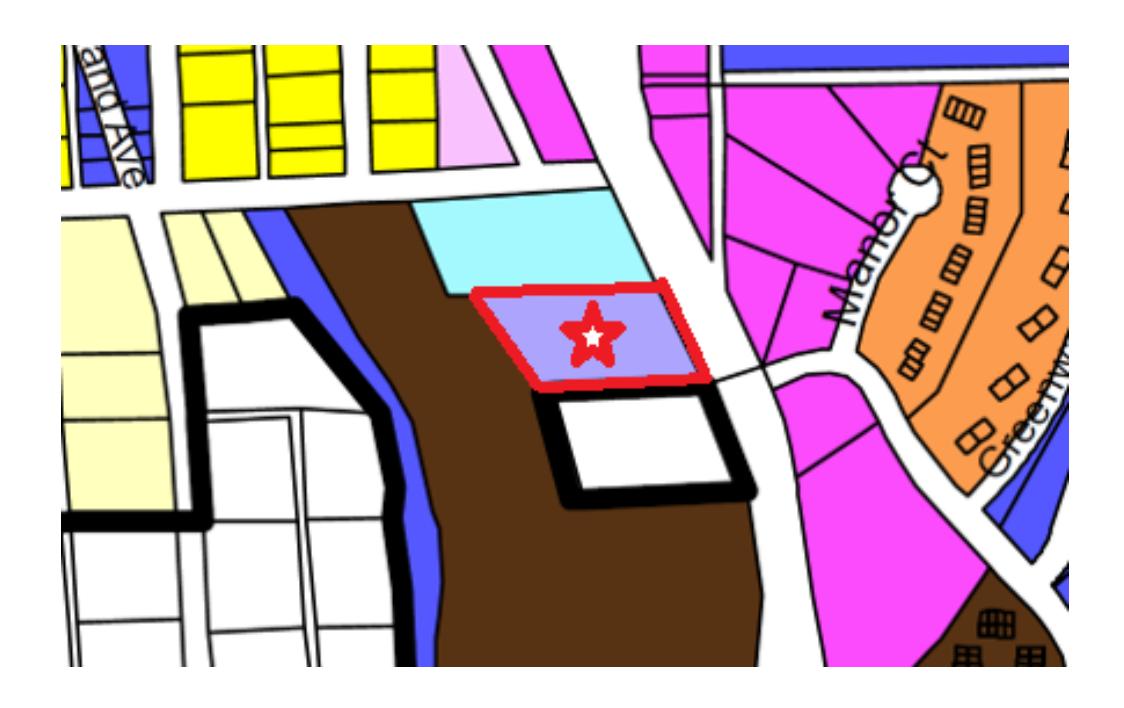
Woodland Park City Council on Nov. 19 approved rezoning Eagle Fire Lodge at 777 East U.S. Highway 24 and a conditional-use permit allowing its 25 existing lodging units to become market-rate, long-term rentals. Ordinance 1539 records the rezoning from Planned Unit Development to Multiple Dwelling Urban Residential on second and final reading. Ordinance 1540 grants the rental-use permit, also on second and final reading.
Council also adopted Resolution 948, allocating 25 multifamily water taps to the project. The project-specific allocation lasts two years. If the project has not started or the taps have not been paid for in full by then, the allocation and associated funds are forfeited. The applicant may request one two-year administrative extension. Before the allocation, staff reported that 32 multifamily taps were available, which would leave seven after the approval, the staff report said.
The permit requires separate electric meters for each dwelling, verification of the water-fixture count and payment of tap fees. Before changing the property’s occupancy or use, the owner must obtain an updated Colorado Department of Transportation highway-access permit, required building permits and a city zoning development permit. Applicable development-impact fees must be paid before the city issues that permit. A planned structural connection between Buildings 2 and 4 also requires a separate zoning development permit and any required building permits.
The city found that its water and wastewater resources are sufficient for the proposed use at the property’s current density. The project retains the existing 25 units; future water needs would be reviewed if a different use or redevelopment is proposed.
Cedarwood Development asked the city to waive or reduce water-tap, stormwater and transportation-capital fees, and to confirm that park-capital and neighborhood-park fees would not apply. The company estimated that fees and related project costs exceeded $300,000, its letter to Council said.
The approved permit requires applicable development-impact fees—including tap, transportation-capital and park-capital fees—to be paid before the city issues the zoning development permit. The city will calculate the fees during its review. The permit leaves applicable fee requirements in place but does not set a final amount or establish whether every fee category Cedarwood raised applies.
The Planning Commission unanimously recommended the rezoning and permit in October. At that stage, Utilities and Public Works estimated the water taps would cost about $144,474 after a credit for the existing commercial tap, the commission’s minutes record. That was an estimate, not a final fee assessment.