
Manitou Springs council to consider Outrider Hotel liquor license Oct. 6
The hearing will consider a license for beer, wine and spirits in four designated areas; guest rooms would be excluded.
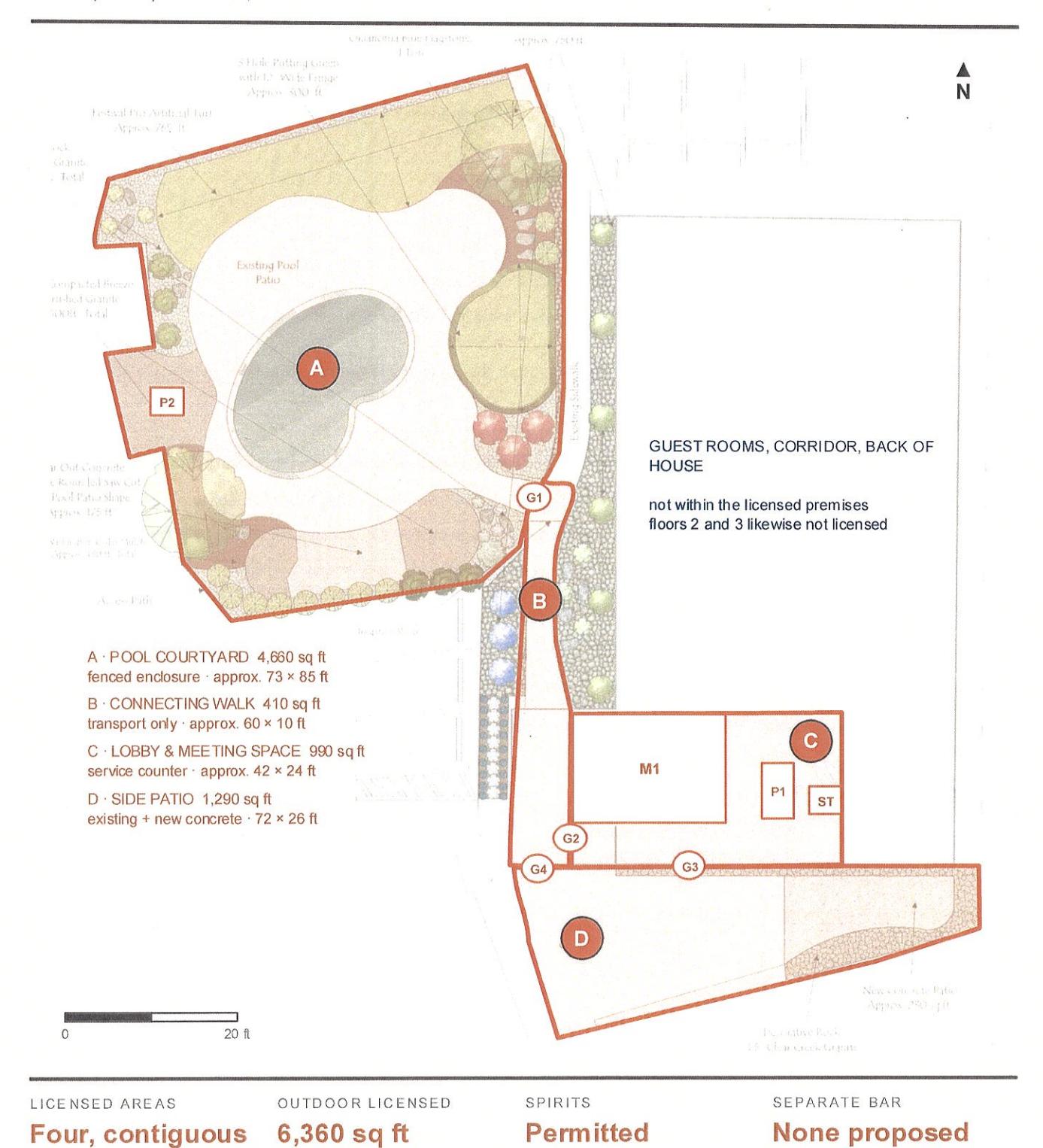
Manitou Springs City Council is scheduled to consider The Outrider Hotel’s application for a lodging-facility liquor license on Oct. 6. If approved, the license would allow the hotel to serve beer, wine and spirits in its lobby, meeting space, side patio and pool courtyard, but not in guest rooms.
The hotel, operated by The Ridge Hotel LLC, proposes sales by the drink for on-site consumption, with sandwiches and light snacks available. Its proposed service hours are about 11 a.m. to 11 p.m. daily. The plan limits the connecting walk between licensed areas to carrying alcohol, and calls for fencing around the pool courtyard and no glass containers there, the hotel’s premises diagram shows.
The Council, acting as Manitou Springs’ Local Licensing Authority, will consider whether the application meets state and local requirements, including the neighborhood’s reasonable needs and the desires of adult residents. The applicant must present evidence supporting the license. Residents and business owners may participate as parties in interest, and the authority may approve, deny or continue the application by majority vote, the city’s hearing memorandum explains.
The applicant submitted 17 petition signatures and a letter from the president of the adjacent Cielito Lindo Townhome Homeowners Association stating that the community had no concerns about the proposed service, the city clerk’s Oct. 2 report says. The report said no written public comments had been received when it was prepared; it does not address oral testimony at the hearing.